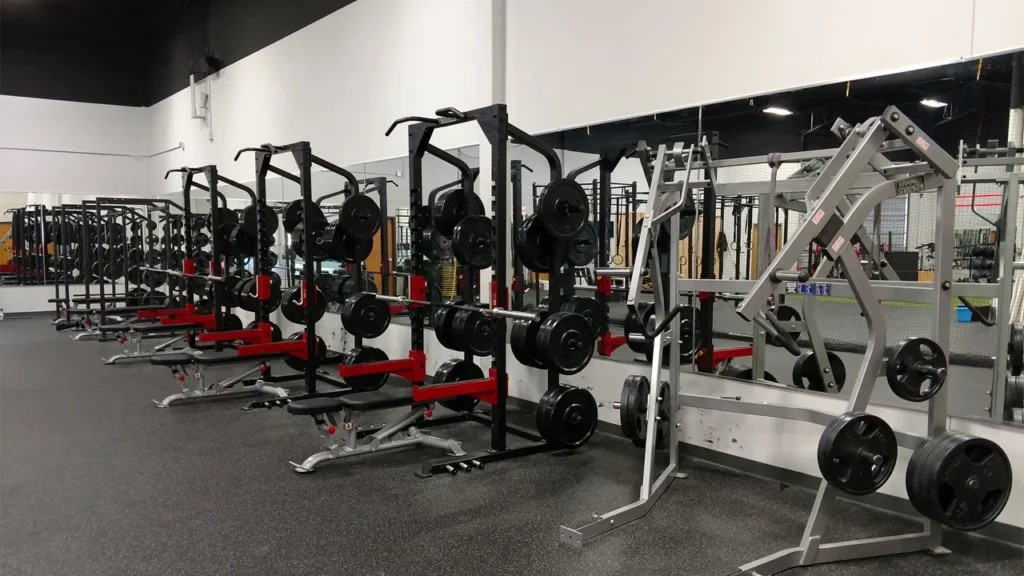

At Twin Cities Wellness Center & Recovery Gym (TCWCRG), we pair licensed outpatient care with guided movement because the body and mind recover together. If you’ve ever noticed a calmer mood after a walk or better sleep after light strength training, you’ve already felt how movement supports recovery. Here’s how a recovery gym can become a cornerstone of your healing process.
What Is a Recovery Gym?
A recovery gym is a fitness environment designed specifically for people working on sobriety and mental health. Sessions are clinician-informed and paced to your ability level. At TCWCRG, that means small-group or one-on-one coaching led by licensed counselors with fitness credentials, clear goals, and a supportive community.
Five Ways Movement Supports Recovery
- Regulates stress — Gentle strength and cardio help lower baseline stress and improve resilience to triggers.
- Improves sleep — Consistent activity can help you fall asleep faster and wake more rested.
- Balances mood — Movement can reduce anxiety, boost confidence, and improve emotion regulation skills you practice in therapy.
- Builds routine — Showing up for scheduled sessions creates structure that supports sobriety outside the gym.
- Community & accountability — Coaches and peers help you set realistic goals and celebrate progress.
What a Session Looks Like
- 5–10 minutes of easy mobility to reduce tension
- Low-impact strength training tailored to your experience
- Short conditioning or movement circuits (optional)
- Cool-down and breath work you can repeat at home
How the Gym Integrates with Clinical Care
Movement sessions complement counseling, IOP groups, and peer recovery support. You’ll learn the same coping strategies—like pacing, boundary setting, and urge surfing—and apply them to a physical routine you can sustain.
Getting Started
No prior gym experience needed. We meet you where you are, set simple goals, and progress at a safe pace. Verify insurance and request an assessment to learn how the recovery gym can fit into your plan.
Educational only; not medical advice. Consult your clinician for individualized guidance.